Mastering Mental Performance for Student Athletes

In the world of sports, physical prowess often takes center stage. However, the mental aspect of performance is equally crucial, especially for student athletes who juggle academics and athletics. Mastering mental performance can be the key to unlocking an athlete's full potential. This blog post will explore strategies, techniques, and insights to help student athletes enhance their mental game, leading to improved performance on and off the field.
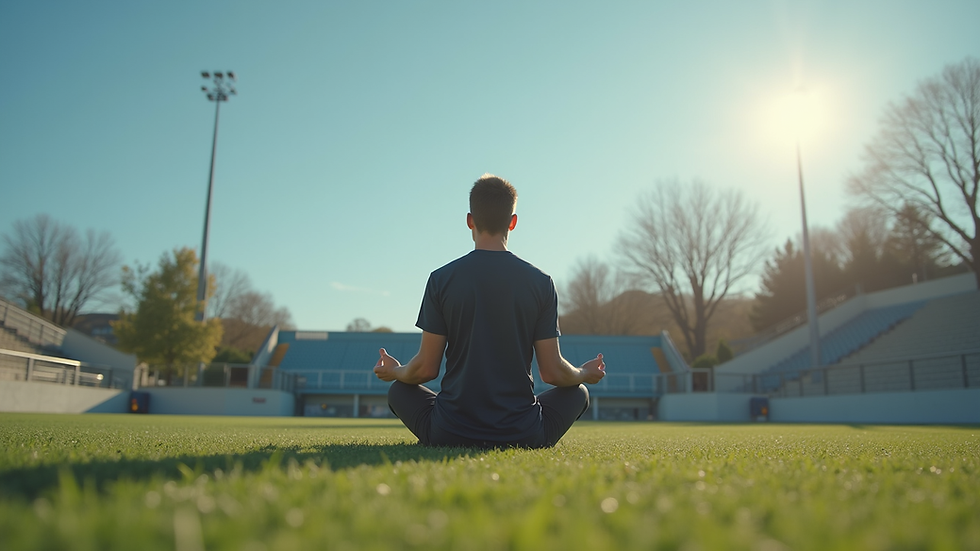
Understanding Mental Performance
Mental performance refers to the psychological factors that influence an athlete's ability to perform at their best. This includes focus, confidence, motivation, and resilience. Unlike physical skills, which can be honed through practice, mental skills require a different approach.
The Importance of Mental Performance
Focus and Concentration: In high-pressure situations, the ability to concentrate can make or break an athlete's performance. A clear mind allows athletes to execute their skills effectively.
Confidence: Believing in oneself is essential for success. Confidence can be built through positive self-talk, visualization, and past achievements.
Resilience: The ability to bounce back from setbacks is vital. Athletes face challenges, whether it's a loss, an injury, or academic pressure. Developing resilience helps them navigate these hurdles.
Motivation: Staying motivated is crucial for consistent performance. Understanding intrinsic and extrinsic motivators can help athletes maintain their drive.
Strategies for Enhancing Mental Performance
Goal Setting
Setting clear, achievable goals is a powerful way to enhance mental performance. Goals provide direction and a sense of purpose. Here’s how to set effective goals:
SMART Goals: Ensure your goals are Specific, Measurable, Achievable, Relevant, and Time-bound. For example, instead of saying, "I want to get better at my sport," a SMART goal would be, "I will improve my sprint time by 0.5 seconds in the next month."
Short-term vs. Long-term Goals: Balance short-term goals (daily or weekly) with long-term goals (season or career). This helps maintain motivation and provides a sense of accomplishment.
Visualization Techniques
Visualization is a mental rehearsal technique that can significantly enhance performance. Athletes can visualize themselves successfully executing skills, which prepares their minds for real-life situations. Here’s how to practice visualization:
Find a Quiet Space: Sit or lie down in a comfortable position in a quiet environment.
Close Your Eyes: Take deep breaths to relax and clear your mind.
Visualize Success: Imagine yourself performing at your best. Focus on the details—what you see, hear, and feel during the performance.
Repeat Regularly: Make visualization a part of your routine, especially before competitions.
Mindfulness and Meditation
Mindfulness and meditation can help athletes manage stress and improve focus. These practices encourage athletes to stay present and reduce anxiety. Here’s how to incorporate mindfulness:
Breathing Exercises: Simple breathing techniques can ground athletes in the moment. For example, inhale deeply for four counts, hold for four, and exhale for four.
Body Scan: This involves focusing on different parts of the body, releasing tension, and promoting relaxation.
Mindful Movement: Engage in activities like yoga or tai chi, which combine physical movement with mindfulness.
Building a Support System
Having a strong support system is crucial for student athletes. This can include coaches, teammates, family, and mental health professionals. Here’s how to build and utilize your support network:
Communicate Openly: Share your goals, challenges, and feelings with your support system. Open communication fosters understanding and encouragement.
Seek Professional Help: Don’t hesitate to reach out to sports psychologists or counselors if you’re struggling with mental performance. They can provide tailored strategies and support.
Encourage Each Other: Create a culture of support among teammates. Celebrate each other’s successes and provide encouragement during tough times.
The Role of Nutrition and Sleep
Mental performance is closely linked to physical health. Proper nutrition and adequate sleep are essential for optimal cognitive function.
Nutrition for Mental Clarity
Balanced Diet: A diet rich in fruits, vegetables, whole grains, and lean proteins supports brain health. Omega-3 fatty acids, found in fish, are particularly beneficial for cognitive function.
Hydration: Staying hydrated is crucial for maintaining focus and energy levels. Dehydration can lead to fatigue and decreased performance.
The Importance of Sleep
Quality Sleep: Aim for 7-9 hours of quality sleep each night. Sleep is vital for recovery and cognitive function.
Sleep Hygiene: Establish a bedtime routine, limit screen time before bed, and create a comfortable sleep environment to improve sleep quality.
Overcoming Mental Barriers
Every athlete faces mental barriers that can hinder performance. Identifying and overcoming these barriers is essential for growth.
Common Mental Barriers
Fear of Failure: This can lead to anxiety and hesitation. Reframe failure as a learning opportunity rather than a setback.
Negative Self-Talk: Replace negative thoughts with positive affirmations. For example, instead of thinking, "I can't do this," say, "I am capable and prepared."
Comparison to Others: Focus on your own journey rather than comparing yourself to teammates or competitors. Everyone progresses at their own pace.
Techniques to Overcome Barriers
Cognitive Behavioral Techniques: Challenge negative thoughts and replace them with constructive ones. This can help shift your mindset.
Journaling: Write down your thoughts and feelings. This can help clarify your emotions and identify patterns that may be holding you back.
Seek Feedback: Constructive feedback from coaches and peers can provide valuable insights and help you improve.
The Impact of Competition on Mental Performance
Competition can be both exhilarating and stressful. Understanding how to manage competition-related stress is crucial for success.
Preparing for Competition
Pre-Competition Routine: Develop a consistent routine before competitions to help calm nerves and focus your mind.
Mental Rehearsal: Visualize your performance and mentally prepare for various scenarios you may encounter during the competition.
Managing Competition Anxiety
Breathing Techniques: Use deep breathing exercises to calm your nerves before and during competition.
Focus on the Process: Instead of fixating on the outcome, concentrate on executing your skills and strategies.
Conclusion
Mastering mental performance is a journey that requires dedication and practice. By implementing strategies such as goal setting, visualization, mindfulness, and building a support system, student athletes can enhance their mental game and improve their overall performance. Remember, the mind is a powerful tool—nurture it, and it will serve you well in your athletic endeavors.
As you embark on this journey, take the first step today. Set a goal, practice visualization, or reach out to a teammate for support. Your mental performance is just as important as your physical skills, and with the right mindset, you can achieve greatness both in sports and in life.


Comments