Stress Management Tips for Young Athletes

Young athletes often face unique pressures that can lead to stress, whether it’s from competition, training, or balancing academics and sports. Understanding how to manage this stress is crucial for both performance and overall well-being. In this blog post, we will explore effective stress management techniques tailored specifically for young athletes.

Understanding Stress in Young Athletes
Stress is a natural response to challenges and can be both positive and negative. For young athletes, stress can stem from various sources:
Performance Pressure: The desire to excel in sports can create anxiety about meeting expectations.
Time Management: Balancing school, sports, and social life can be overwhelming.
Injury Concerns: Fear of injury or not being able to compete can add to stress levels.
Parental Expectations: Young athletes may feel pressure from parents to succeed.
Recognizing these stressors is the first step in managing them effectively.
The Importance of Stress Management
Effective stress management is vital for young athletes for several reasons:
Improved Performance: Managing stress can lead to better focus and performance during competitions.
Enhanced Well-being: Reducing stress contributes to overall mental and physical health.
Injury Prevention: Lower stress levels can decrease the likelihood of injuries caused by tension and anxiety.
Life Skills: Learning to manage stress equips young athletes with skills they can use throughout their lives.
Practical Stress Management Techniques
Here are some practical techniques that young athletes can use to manage stress effectively:
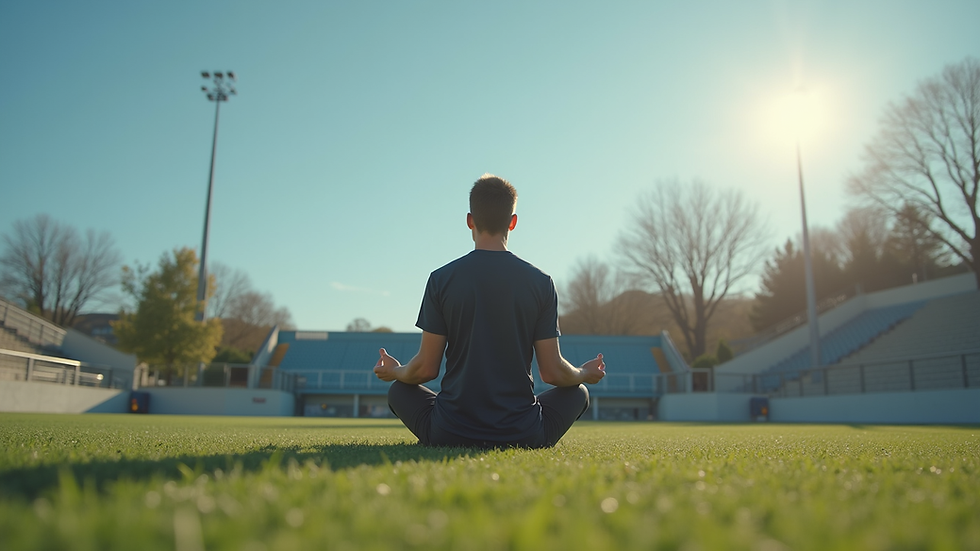
1. Mindfulness and Meditation
Mindfulness involves being present in the moment and can significantly reduce stress. Young athletes can practice mindfulness through:
Breathing Exercises: Simple deep breathing techniques can help calm the mind. For example, inhale deeply for four counts, hold for four counts, and exhale for four counts.
Guided Meditation: Apps like Headspace or Calm offer guided sessions specifically designed for athletes.
2. Physical Activity
While young athletes are already engaged in physical activity, incorporating different forms of exercise can help alleviate stress:
Yoga: Practicing yoga can improve flexibility and promote relaxation.
Nature Walks: Spending time outdoors can enhance mood and reduce stress levels.
3. Time Management Skills
Effective time management can help young athletes balance their commitments:
Prioritize Tasks: Create a list of tasks and prioritize them based on deadlines and importance.
Set Realistic Goals: Break larger goals into smaller, manageable steps to avoid feeling overwhelmed.
4. Open Communication
Encouraging open communication with coaches, parents, and teammates can alleviate stress:
Share Feelings: Talking about stressors can provide relief and lead to solutions.
Seek Support: Young athletes should feel comfortable seeking help from trusted adults or mental health professionals.
5. Healthy Lifestyle Choices
Maintaining a healthy lifestyle can significantly impact stress levels:
Balanced Diet: Eating a variety of nutritious foods can improve energy levels and mood.
Adequate Sleep: Ensuring enough sleep is crucial for recovery and mental clarity.
Building a Support System
Having a strong support system is essential for young athletes. Here’s how to build one:
Involve Family: Parents can play a crucial role by being supportive and understanding.
Connect with Peers: Forming friendships with teammates can provide emotional support.
Engage Coaches: Coaches should foster an environment where athletes feel safe discussing their stress.
Recognizing Signs of Stress
It’s important for young athletes to recognize the signs of stress, which may include:
Changes in mood or behavior
Decreased performance
Withdrawal from activities
Physical symptoms like headaches or stomachaches
If these signs are present, it may be time to implement stress management techniques or seek professional help.
Conclusion
Stress management is a vital skill for young athletes that can enhance their performance and overall well-being. By incorporating mindfulness, effective time management, open communication, and healthy lifestyle choices, young athletes can navigate the pressures of their sport more effectively.
Encourage young athletes to take proactive steps in managing their stress, and remind them that it’s okay to seek help when needed. The journey of an athlete is not just about physical prowess but also about mental resilience.
By fostering a supportive environment and equipping them with the right tools, we can help young athletes thrive both on and off the field.

Comments